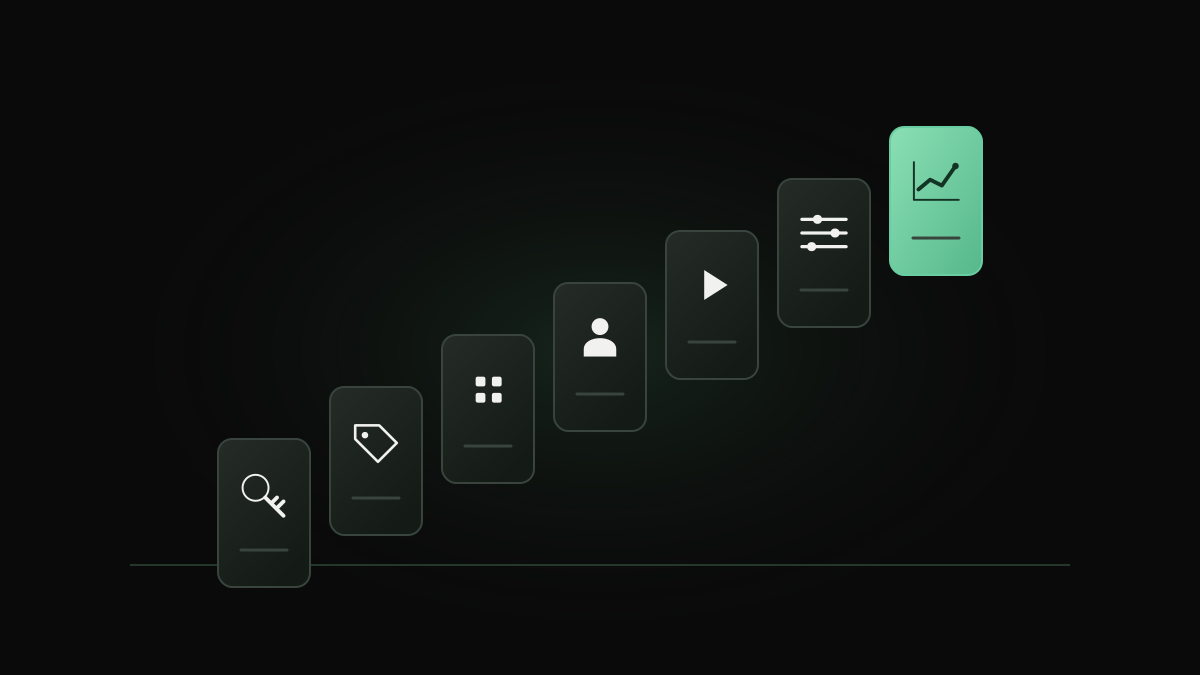
This guide breaks down Facebook advertising into actionable layers, helping marketers and advertisers build, optimize, and scale campaigns with confidence.
1. Foundation & Account Setup
Before running any ads, three key elements must be in place:

- Account Asset Management
Protect your BM, Pages, personal account, ad accounts, pixels,. Treat these as the foundation of your advertising system. - Pixel & Data Tracking
Implement Pixel + Conversion API dual tracking. Accurate signals are critical; - Compliance & Policy
Understand Meta’s red lines for ad copy, landing pages, and target industries.
2. Measurement & Tracking Essentials
Advertising is essentially running experiments. To optimize effectively, accurate measurement is crucial:
- Attribution Windows: Choose 7-day click vs 1-day click based on campaign goals.
- Incrementality: Avoid over-crediting ads for natural conversions.
- Audience Segmentation Reports: Compare performance across different audience groups.
- Third-Party Tools: Platforms like Triple Whale or Northbeam can enhance measurement when internal data is insufficient.
Without a solid measurement foundation, optimization decisions are unreliable.
3. Campaign & Account Structure
Proper structure is key to clear testing and scaling:

- Campaign / Ad Set / Ad Hierarchy: Organize logically for prospecting vs retargeting.
- CBO vs ABO: Use Campaign Budget Optimization or Ad Set Budget Optimization according to goals.
- Learning Phase Management: Understand which actions reset the learning phase and avoid unnecessary resets.
- Rule of Thumb: Prospecting campaigns use ASC (Advantage+ Shopping Campaign); retargeting campaigns remain separate.
4. Audience Targeting & Segmentation
Post-2024, audience strategy has shifted from “precision targeting” to letting the algorithm find people. Signal quality still determines success.
- Cold Audiences: Interests, behaviors, and broad targeting logic.
- Lookalike Audiences: Seed audience quality determines Lookalike effectiveness.
- Custom Audience Layers: Segment website visitors, cart abandoners, and repeat customers.
- Advantage+ Audiences: Meta’s automated audiences for campaign stages that need scaling.
5. Creative Planning & Optimization

6. Bidding & Budget Strategy
Bidding may seem complex, but clear rules exist:
- Lowest Cost: Ideal for scaling while letting the algorithm explore.
- Cost Cap: Use when CPA targets are strict; may limit reach.
- Bid Cap: Controls maximum bid, useful in specific scenarios.
- Target ROAS: Common for eCommerce; aggressive targets can stall delivery.
- Scaling: Adjust budgets and bids together to expand efficiently.

7. Analysis & Continuous Optimization
Once ads are live, track performance to make iterative improvements:
- KPIs: Monitor CPM, CTR, CPC, CVR, and ROAS; anomalies indicate problem areas.
- Diagnosis Flow: Check impressions → clicks → conversions to isolate issues.
- A/B Testing: Test only one variable at a time for valid insights.
- Review Cycles: Weekly and monthly reviews to turn findings into repeatable SOPs.
This layered framework provides a full panoramic view of Facebook advertising—from setup to audience strategy, creative, bidding, measurement, and semi-automated optimization. Following these layers ensures systematic management, minimizes common pitfalls, and enables scalable, data-driven campaigns.
For account ownership, onboarding and funding questions, explore our Meta advertising account support.
Official Reference
For platform-specific details and current guidance, consult Meta Ads Manager overview.